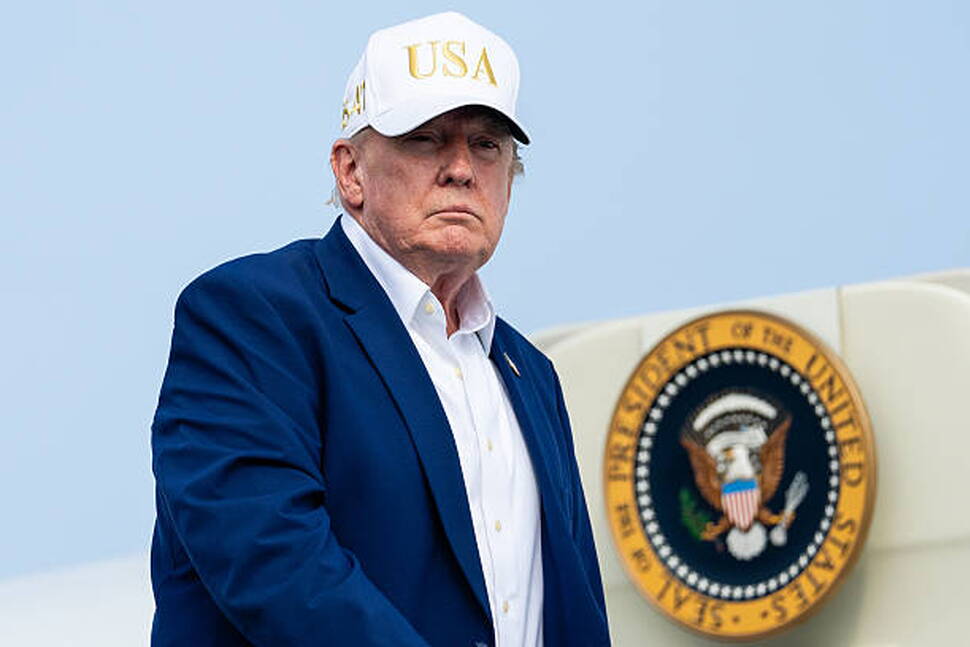
How – and how much – people and corporations pay in taxes has changed under Trump.
Politicians on the campaign trail often promise that life will improve under their administration, and lowering tax obligations can elicit excitement.
During his second campaign, leaning into proposals from his first year in office, President Donald Trump proposed sweeping changes, building on proposals from his first term.
Chief among them were extending provisions of the Tax Cuts and Jobs Act, called the TCJA, eliminating taxes on certain types of income and reducing taxes for businesses.
After being elected, Trump’s One Big Beautiful Bill passed, putting some of those promises into law, including extending key TCJA provisions and creating new deductions for tips, overtime pay, car loan interest and seniors.
But not every proposal became law as originally envisioned. Here’s what has happened so far and how Trump’s tax agenda is affecting taxpayers now.
READ: Trump’s One Big Beautiful Bill Includes New Tax Breaks: Will You Benefit?
Tax Cuts and Jobs Act Provisions Are Now Permanent
The TCJA was set to expire after 2025, but the OBBB was signed into law on July 4, 2025. It made key individual provisions permanent for future tax years. The law made seven individual income tax rates permanent, ranging from 10% to 37%.
There is also a larger standard deduction for tax year 2026: $16,100 for single filers, $32,200 for married couples filing jointly and $24,150 for heads of household.
The child tax credit is $2,200 per child under 17, made permanent and indexed for inflation starting in 2026.
The state and local tax deduction cap temporarily rose from $10,000 to $40,000 for 2025 through 2029, increasing by 1% each year. For 2026, the cap is $40,400, or $20,200 for married couples filing separately.